What Is Actually Worth Buying at the Farmers Market in Late August?
Quick Answer: Late August is peak abundance in most of the US, which means it is the moment to buy the things that are only good now and cheap for a few weeks - tomatoes, sweet corn, peppers, stone fruit, and basil. It is also the moment to stop buying the spring holdovers still on the tables, which are being sold from storage or from stressed late plantings and are past their best.
The question is not what is available. In late August almost everything is. The question is what will never be this good again this year.
What is genuinely at its peak right now?
The short list is worth memorizing because it changes what you cook for the next three weeks.
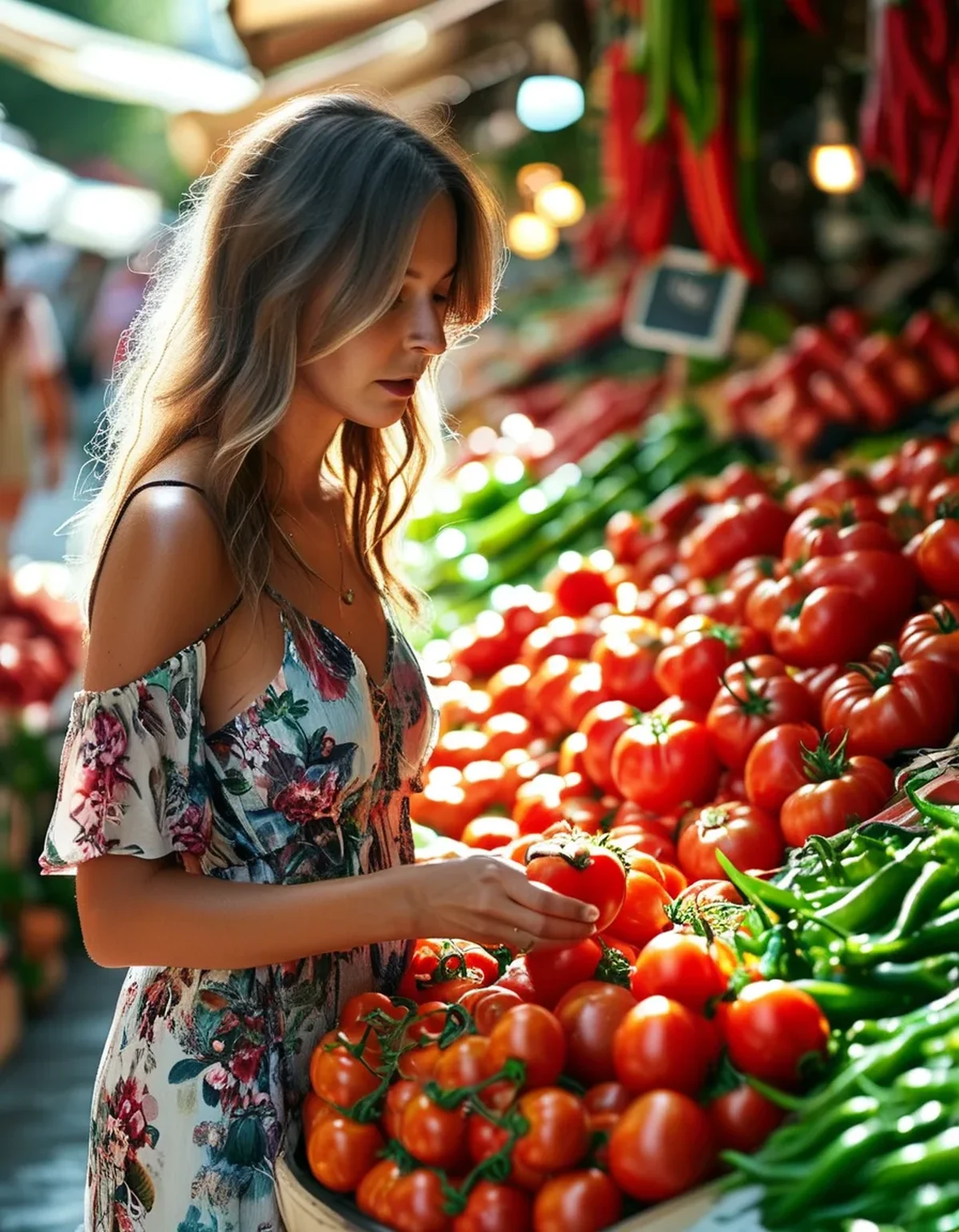
Tomatoes. This is the two-to-three week window they exist for. Field tomatoes ripened in August heat have sugar and acid balance that no other time of year and no supermarket produces. Buy more than seems sensible - the surplus freezes whole, no blanching required, and becomes winter sauce.
Sweet corn. Sugar in corn begins converting to starch immediately after picking, and at room temperature a meaningful fraction of the sugar is gone within a day. This is the single strongest argument for buying corn at a market rather than a shop: the picking date is measured in hours rather than days. Ask when it was picked. It is a completely normal question and the answer is often this morning.
Peppers, both sweet and hot. Late August is when they finally colour up. A red pepper is a green pepper that stayed on the plant longer, which is why red costs more and tastes sweeter.
Stone fruit, at the tail end. Peaches and plums are finishing. This is the last good fortnight in most regions, and the fruit right now is often the best of the season because the tree is putting everything into a smaller final crop.
Basil and summer herbs. At their absolute maximum, and about to be ended by the first cool night.
Melons. Peak sugar, and the one category where the market advantage over a supermarket is largest, because melons are picked ripe rather than shipped hard.
What should you stop buying at this point in the season?
The things still on the table that are no longer at their best - and there are always several.
Spring greens and lettuces. Anything grown in cool weather is either from storage, from a stressed late planting, or bolting. Lettuce grown in August heat turns bitter as the plant bolts, and no amount of dressing fixes it. Wait three or four weeks for the autumn planting, which will be excellent.
Peas and broad beans. These are a spring crop. Anything present now is either frozen, stored, or from a struggling late sowing.
Early strawberries. The June crop is long finished. What is present in late August is usually either a day-neutral variety, which is fine but not remarkable, or shipped in from elsewhere.
Asparagus, at any price. Not a late-summer crop anywhere in the US. If it is on a market table in late August it has travelled.
Anything that looks identical to the supermarket version. This is the most useful heuristic in the whole market. The reason to buy at a market is varieties and freshness the supply chain cannot deliver. A uniform, waxed, perfectly round tomato is being sold on convenience, and you can get convenience anywhere.
The polite version of the question that sorts this out fast: did you grow this? Most market rules require growers to disclose resold produce, and most growers will tell you plainly and without offence.
How do you tell a good stall from a mediocre one?
Four signals, all readable in about ten seconds from the aisle.
Variety names on the signs. A stall labelling its tomatoes Cherokee Purple and Sungold rather than just tomatoes is telling you they chose varieties for flavour rather than for shipping durability. This is the strongest single signal on the whole market.
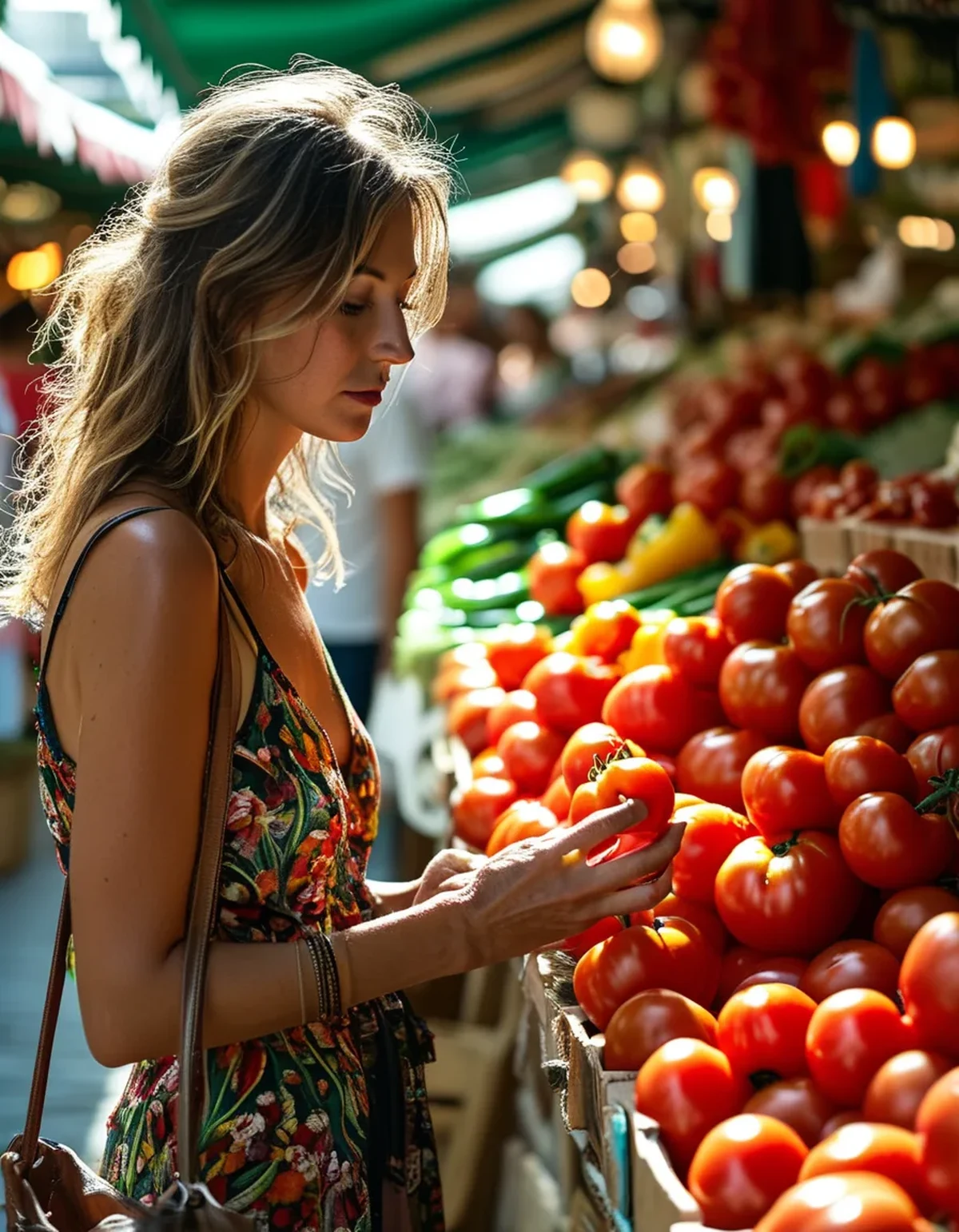
Visible imperfection. Slight size variation, the occasional split tomato, a bit of soil. Perfectly uniform produce is graded produce, and grading is a wholesale activity. Some imperfection means what was picked is what is being sold.
A short, seasonal list. A stall with twelve things, all of which are in season right now, is selling its own harvest. A stall with forty items spanning three seasons is buying from a wholesaler for at least some of it.
Someone who knows the answers. Ask when something was picked or how they would cook it. A grower answers immediately and often at length. A reseller gives a vague answer. This is not a trap - it is just the fastest way to find the stall you want to be a regular at.
One timing note that changes what you get: go early for selection, late for price. The first hour has the full range and the best of the delicate items. The last thirty minutes is when growers discount rather than repack, and it is the right time to buy in bulk for freezing or sauce if you do not need a specific variety.
How do you buy in a way you will actually use?
The failure mode of a good August market is a fridge of beautiful things that rot by Thursday.
Buy for a plan, not for beauty. The classic overspend is arriving with no plan and leaving with nine items that do not form meals. Two or three dishes in mind before you go changes the whole trip.
Separate the two shopping modes. There is buy-to-eat-this-week and buy-to-preserve. Mixing them is how the eating produce gets buried. Do the preserve buying in one deliberate bulk purchase - a case of tomatoes, a bag of peppers - and keep the weekly shopping small and specific.
Know what keeps and what does not.
- Days at most: sweet corn, berries, basil, salad tomatoes, soft stone fruit.
- A week or more: peppers, aubergine, hard squash, onions, apples.
- Never refrigerate: tomatoes, which lose flavour compounds below about 55 degrees Fahrenheit, and basil, which blackens.
The freezer is the honest answer to abundance. Tomatoes freeze whole in a bag - the skins slip off under warm water when thawed. Peppers freeze sliced with no preparation at all. Corn freezes stripped from the cob. Basil freezes as pesto or in oil in an ice cube tray. None of this requires canning equipment or an afternoon.
Bring cash and your own bags. Card minimums and vendor fees are still common, and August produce is heavy and wet. A cool bag in a hot car is not a luxury in late August - it is the difference between good corn and starchy corn.
FAQ: Late August Market Questions, Answered
Is market produce actually more nutritious?
Sometimes, and the mechanism is time rather than farming method. Vitamin C and folate degrade measurably in the days after harvest, so produce picked yesterday retains more than produce picked ten days ago and shipped. The difference is real but modest, and it is largest in delicate items like leafy greens and berries.
Why is it more expensive than the supermarket for some things and cheaper for others?
Market pricing tracks actual local abundance rather than a national supply chain. At peak glut - tomatoes and courgettes right now - market prices are often well below supermarket. For anything out of local season, the market has no advantage and will be dearer. Buy the glut, skip the rest.
Should I be haggling?
Generally no, and it is not the norm at US markets. What is entirely normal is asking about a bulk price - a case rather than a pound - and most growers have one ready, especially in the last half hour.
What is the one thing to buy this week if I only buy one?
Tomatoes, in quantity. It is a genuinely narrow window, the quality gap versus a supermarket is the largest of any item, and the surplus requires nothing more than a freezer bag.
TL;DR:
- Buy what is only good now: tomatoes, sweet corn, peppers, the last stone fruit, basil, and melons.
- Skip spring holdovers - lettuces, peas, strawberries, asparagus - which are stored, shipped, or bolting.
- Read the stall in ten seconds: variety names on signs, some imperfection, a short seasonal list, and someone who answers questions.
- Corn loses sugar to starch within hours of picking, so ask when it was picked; it is a normal question.
- Separate weekly eating from bulk preserving, and never refrigerate tomatoes or basil.
Go early for selection, go in the last half hour for the bulk price. Both trips are worth making this month.
Keep Reading
This article is for general informational purposes only and is not medical advice. Always consult a qualified health professional for guidance specific to you.