Is the Farmers Market Actually Cheaper Than the Grocery Store?
Quick Answer: In-season, locally abundant produce is frequently cheaper or comparably priced at farmers markets versus grocery stores, while out-of-season items, specialty products, and pre-packaged goods usually cost more — the market isn’t universally cheaper or pricier, it depends entirely on the specific item and timing.
A lot of people expect a clean yes-or-no answer to whether farmers markets save money, but the honest picture only makes sense broken down by category.
When is the farmers market actually cheaper?
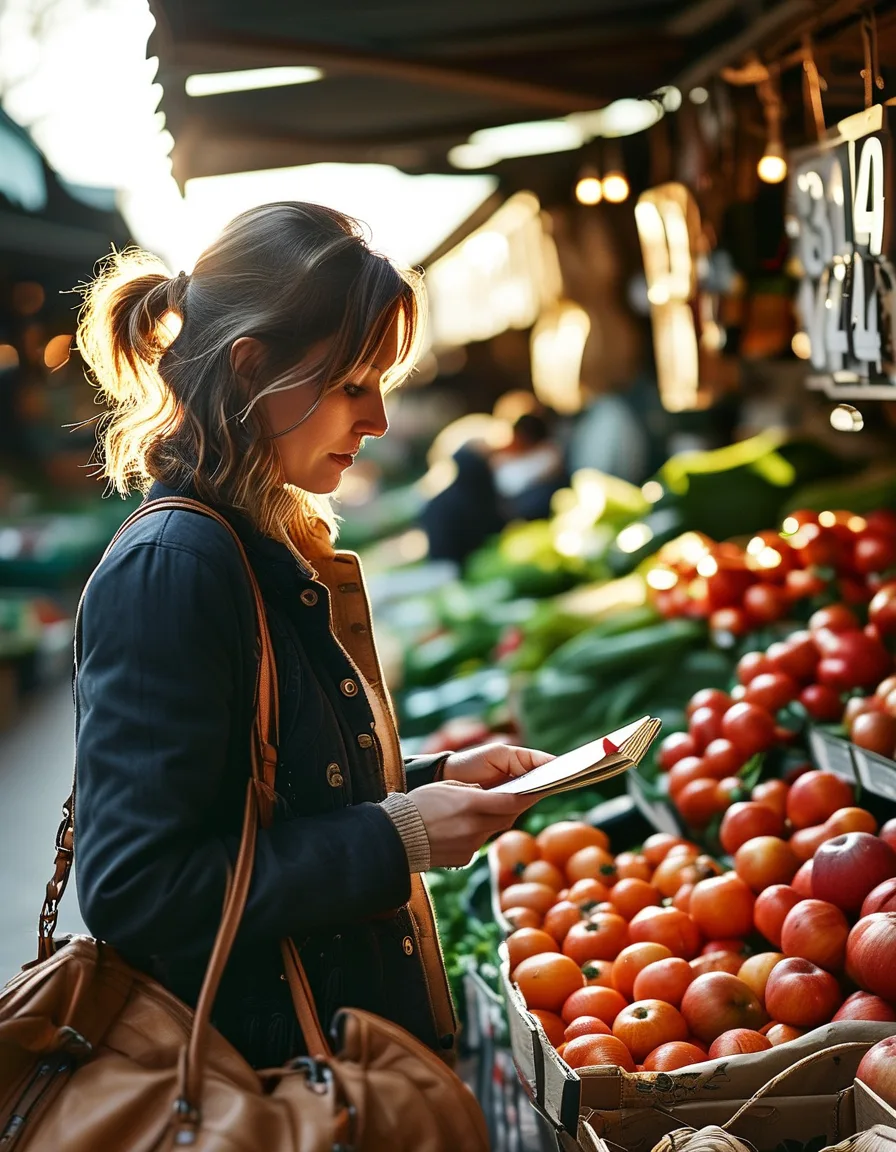
Peak-season, locally grown produce is the category where farmers markets most reliably beat or match grocery store prices — a farmer selling tomatoes at the height of local tomato season has lower transportation and storage costs than a grocery chain sourcing from farther away, and that savings can pass through to price. Buying in bulk directly from a grower (a full flat of berries, a case of peaches) often comes with a meaningful per-unit discount that grocery stores rarely offer on fresh produce.
When does the grocery store usually win on price?
Out-of-season items at a farmers market are often either unavailable or sourced from farther away at a premium, while grocery stores maintain year-round supply chains that keep prices more stable regardless of season. Pre-packaged or processed goods — jams, baked goods, specialty cheeses — at farmers markets typically carry an artisanal price premium that reflects small-batch production costs, not a discount.
Does haggling actually work at farmers markets?
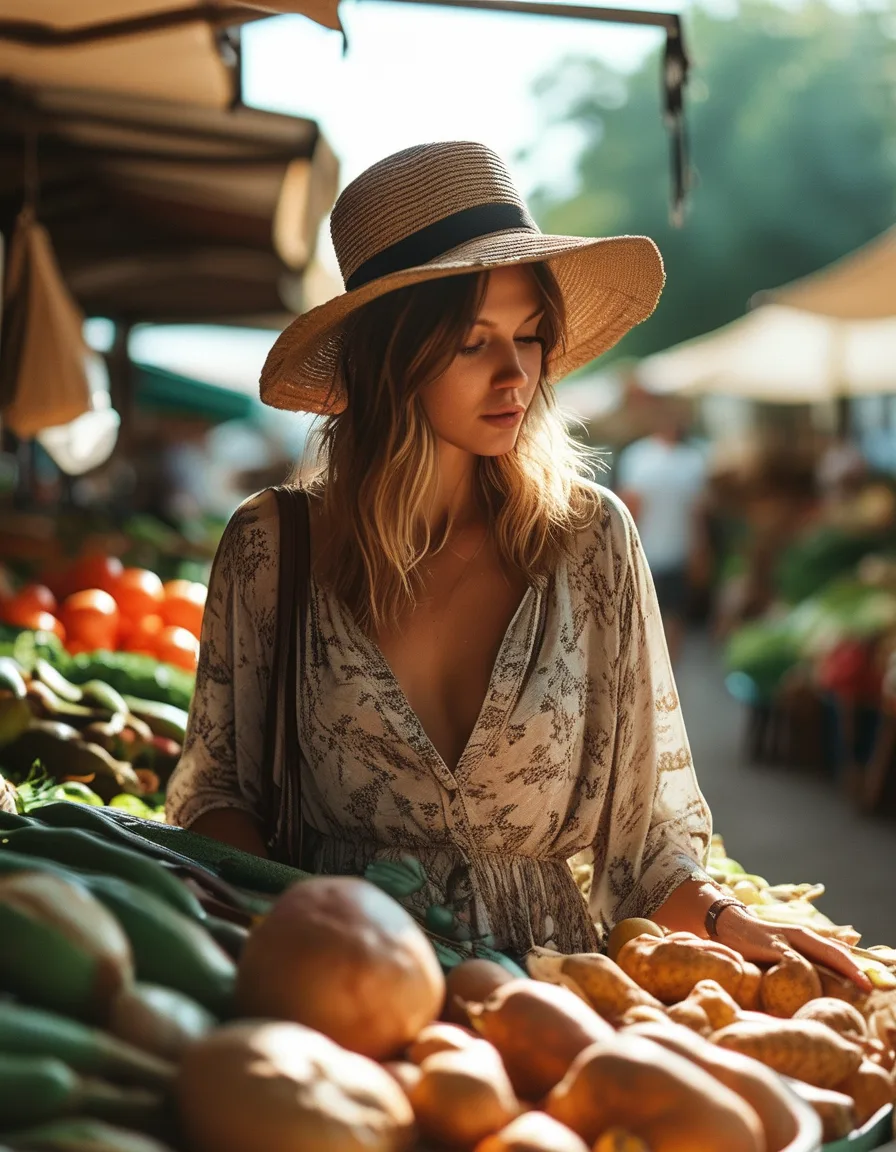
Mild negotiation, especially near closing time when vendors want to avoid taking unsold perishable produce home, is a real and often successful practice at many markets — but it’s not universal, and some vendors set firm prices as a matter of policy. Asking politely, rather than assuming a discount is owed, gets a better response either way.
What about the actual quality-for-price tradeoff, not just sticker price?
Farmers market produce is often fresher (picked within a day or two versus a week or more for shipped grocery store produce), which affects both flavor and how long it keeps at home — a slightly higher sticker price on an item that lasts longer or requires less waste can still work out cheaper in practical terms, depending on how quickly you use it.
FAQ: Farmers Market Pricing
Does buying directly from the farmer versus a reseller booth change the price?
Often yes — booths run by the actual grower typically price closer to their real costs, while resold produce (bought wholesale and marked up) can carry pricing closer to or above grocery store levels.
Is the price difference bigger in some regions than others?
Yes — areas with a strong local agricultural base tend to see markets that are more price-competitive with grocery stores, while markets in areas that import most of their featured produce show less of a price advantage.
What’s the best single strategy for saving money at a farmers market?
Buying whatever is at genuine peak local season that week, rather than shopping from a fixed list, since peak-season items are where the price advantage is most consistent.
Does shopping later in the market day actually save money reliably?
Often, especially for perishables vendors don’t want to transport back, though popular items may already be sold out by then — it’s a real tradeoff between selection and potential discount.
TL;DR:
- Peak-season local produce is the category most likely to be cheaper at a farmers market
- Out-of-season and pre-packaged specialty items usually cost more than the grocery store
- Mild haggling, especially late in the market day, can work but isn’t guaranteed
- Freshness and shelf life can offset a slightly higher sticker price in practical terms
There’s no single right answer — shopping seasonally and buying direct from growers is what actually tips the math toward savings.
Keep Reading
This article is for general informational purposes only and is not medical advice. Always consult a qualified health professional for guidance specific to you.