The Farmers Market Playbook: How to Shop the Summer Season Like a Local
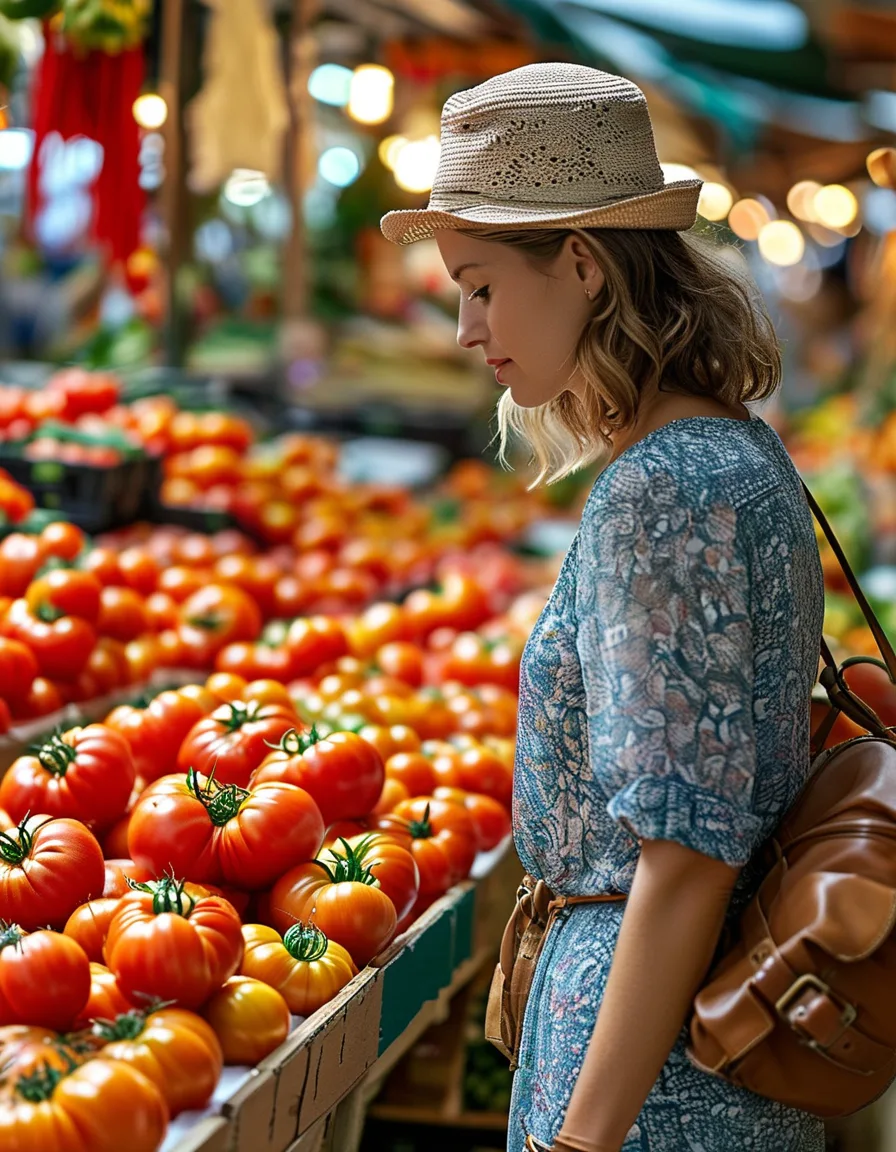
There is grocery shopping, and then there is walking a July farmers market at nine in the morning: tomatoes that smell like tomatoes, peaches with actual juice agendas, corn picked at dawn, and the person who grew it standing right there. Beyond the romance sits real value — peak-nutrition produce, often at peak-season prices — if you know how to shop it. Here is the playbook locals never write down.

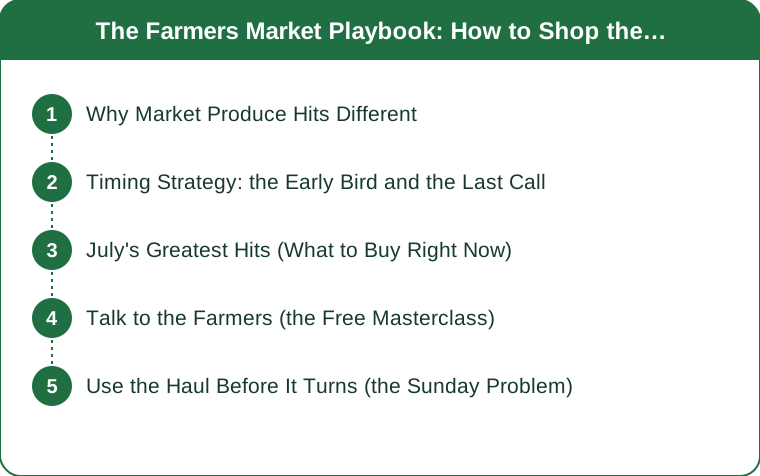
Why Market Produce Hits Different
Supermarket produce is bred and picked for travel — harvested underripe, shipped for days or weeks, ripened by logistics. Market produce was often picked yesterday at actual ripeness, which changes both flavor and nutrition: vitamins in vegetables begin declining at harvest, so shorter field-to-table time means more of them arrive with dinner. It also explains the revelation moment every market convert reports: oh, this is what a tomato tastes like. It always was. It just usually spends two weeks in a truck first.
Timing Strategy: the Early Bird and the Last Call
Two optimal arrival windows, opposite goals. Early (first hour): full selection, the good peaches, the small-batch items that sell out by ten — arrive early for anything you specifically want. Late (final thirty minutes): the deal window — many farmers discount rather than repack, and asking politely about end-of-day prices on remaining flats is standard practice, not rudeness. Mid-market hours offer the best browsing energy and people-watching. Bring cash in small bills either way — cards increasingly work, but cash still moves fastest and small vendors quietly prefer it.
July’s Greatest Hits (What to Buy Right Now)
Peak-of-peak this month: tomatoes in absurd variety (buy the ugly heirlooms — flavor hides in the weird ones), sweet corn (cook it the same day; its sugars start converting immediately), stone fruit — peaches, plums, nectarines (buy firm-ripe, finish on the counter), berries (eat fast or freeze flat on a tray same-day), zucchini and summer squash (the market’s most negotiable prices, thanks to zucchini’s famous overproduction), cucumbers, green beans, melons, and fresh herbs at a fraction of the plastic-clamshell price. If it dominates every table, it is peak — and peak means both best and cheapest.
Talk to the Farmers (the Free Masterclass)
The person behind the table is the feature supermarkets cannot stock: ask what is best today and they will point past the pretty stuff to what came off the vine this morning; ask how to cook the weird item (kohlrabi, garlic scapes, ground cherries) and get a better answer than any app; ask what is coming next week and plan around it. Two etiquette notes: sampling is usually offered rather than grabbed, and haggling is not the culture — the late-day discount question is the polite exception. Regulars get remembered, and remembered customers get the good tomatoes held aside. Loyalty pays in produce.
Use the Haul Before It Turns (the Sunday Problem)
Market produce is athlete-fresh, which means it also retires fast — so process the haul the same day: berries frozen flat if not eaten by Tuesday, herbs into a jar of water like flowers, tomatoes never refrigerated (cold murders their flavor), greens washed and toweled into containers. Then run a use-it-first rhythm: delicate things (berries, corn, lettuce) early in the week, sturdy things (squash, cucumbers, cabbage) later. The eat-the-season bonus is variety on autopilot: the market changes weekly, so your plate does too — the diversity your gut microbiome keeps requesting, delivered by the calendar.
The farmers market is July’s best health habit disguised as a pleasant errand: peak-nutrition produce, a free education per conversation, and a weekly nudge toward eating the season. Go this Saturday — early for the peaches, cash in your pocket, one weird vegetable in the tote as tuition. By August you will have a farmer who knows your name and a tomato opinion you defend at parties. This is the correct trajectory.
Keep Reading
This article is for general informational purposes only and is not medical advice. Always consult a qualified health professional for guidance specific to you.