Why Farmers Market Prices Look So Random — and How to Actually Compare Them
Quick Answer: Farmers market prices vary because each vendor sets margins around their own growing costs, not a shared baseline — small-batch, low-yield crops (berries, heirloom tomatoes) run higher, while bulk staples (potatoes, greens) are often priced close to or below grocery store rates. Compare by crop type, not by stall.
You walk past three tomato stalls and see three different prices for what looks like the same tomato. It’s not a scam — it’s three different farms with three different cost structures, and once you know what drives the gap, the market stops feeling random.
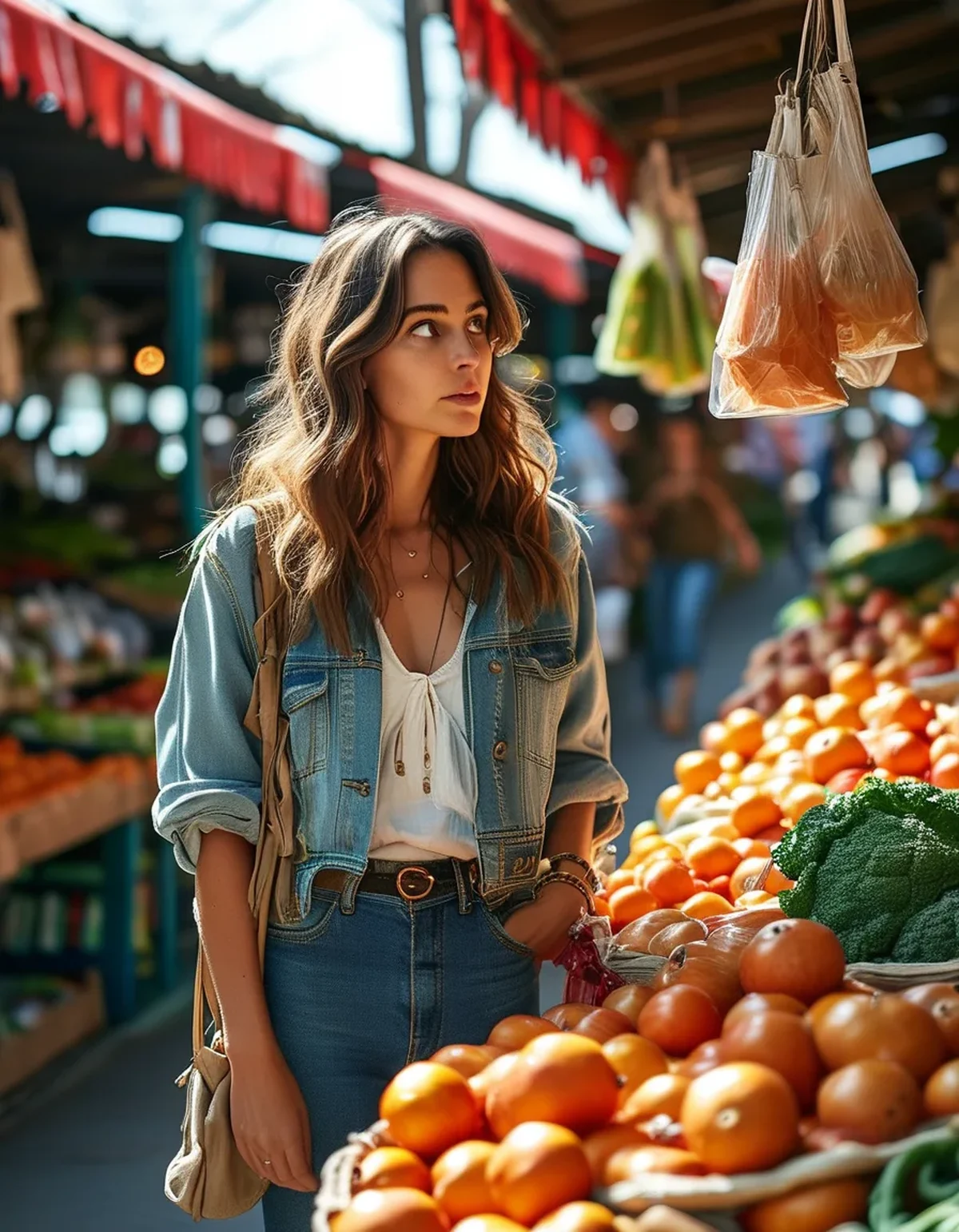
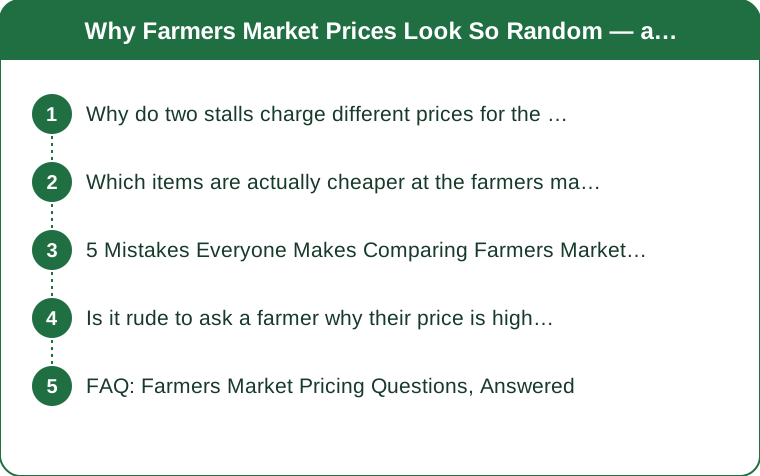
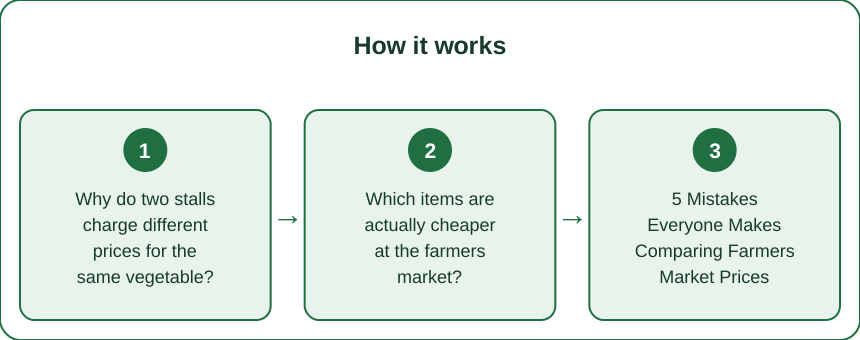
Why do two stalls charge different prices for the same vegetable?
Because ‘the same vegetable’ usually isn’t. A heat-tolerant hybrid tomato grown at scale costs less to produce than a low-yield heirloom variety grown on a quarter-acre — the price difference reflects yield per plant, not markup greed.
Labor is the other big variable. Hand-picked berries from a small farm carry real labor costs that a mechanized larger operation doesn’t. Ask the vendor directly — most farmers are happy to explain why their price is what it is, and the answer is usually specific and honest.
Which items are actually cheaper at the farmers market?
Bulk staples in season tend to beat grocery stores: leafy greens, summer squash, corn, and stone fruit at peak season often run 10-20% cheaper because there’s no distributor markup or cold-chain shipping cost.
What tends to run higher: out-of-season anything, specialty/heirloom varieties, and anything requiring intensive hand labor (berries, microgreens, cut flowers). Budget-conscious shoppers do best building a list around what’s currently peaking, not a fixed shopping list.
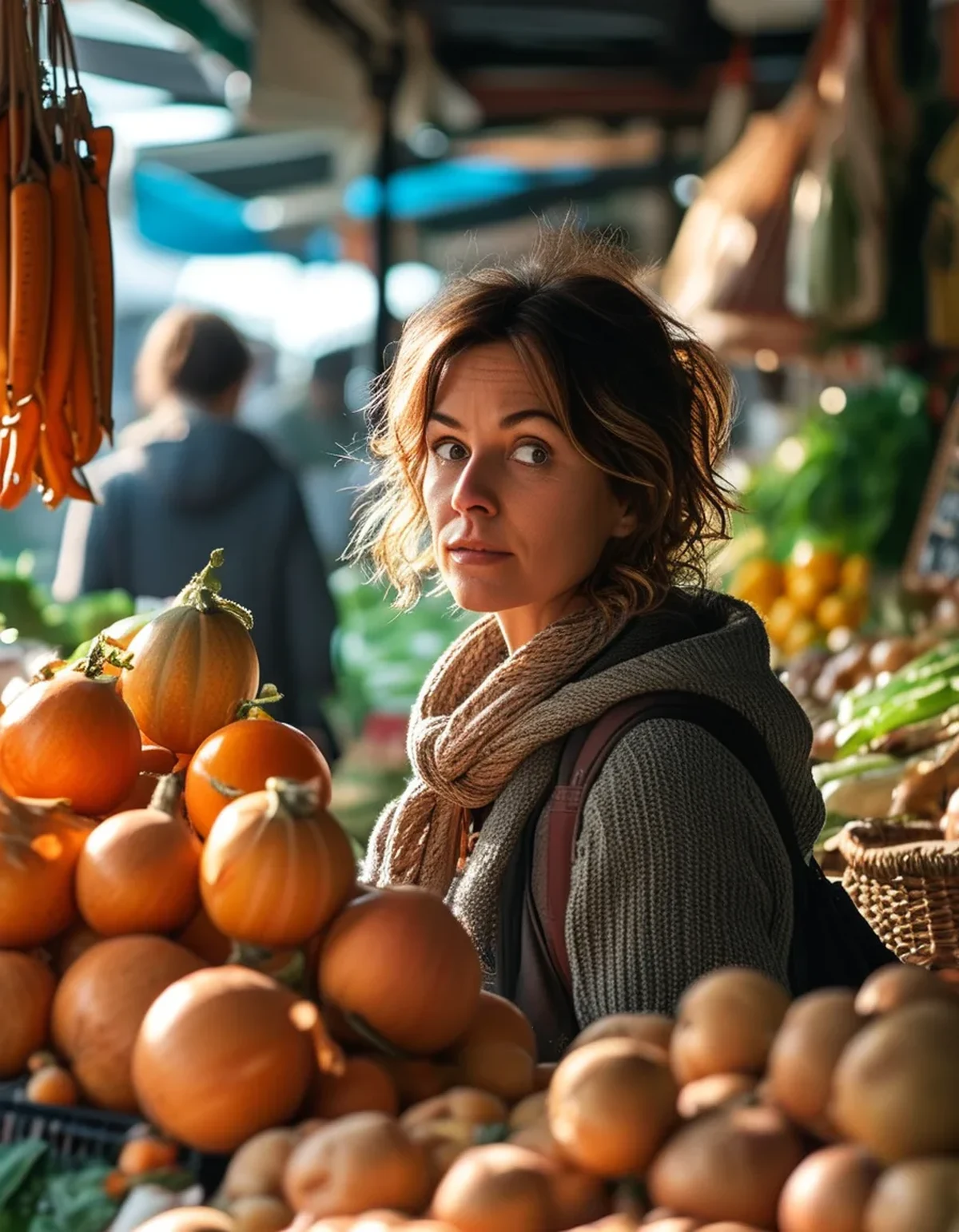
5 Mistakes Everyone Makes Comparing Farmers Market Prices
1. Comparing by weight instead of by piece. A $4 pint of strawberries and a $6 pint aren’t equal if one weighs 30% more — ask for a quick weigh-in if you’re unsure.
2. Judging price before asking about growing method. Certified organic (with the paperwork cost that implies) and ‘no-spray’ unofficial organic can look identical but carry very different cost bases.
3. Shopping only the first stall you see. Prices for the same crop can vary 30-40% within one market — a five-minute lap before buying pays for itself.
4. Ignoring the end-of-market discount window. Many vendors drop prices 20-30% in the last 30-45 minutes rather than hauling produce back.
5. Assuming higher price means higher quality. Sometimes it just means a smaller farm with higher overhead — taste and freshness don’t scale with price the way people assume.
Is it rude to ask a farmer why their price is higher?
No — most farmers market vendors expect and welcome the question, since it’s usually the fastest way to explain their farm’s story. A simple ‘what makes this one different?’ almost always gets a real answer: variety, growing method, harvest labor, or distance traveled.
What does read as rude is haggling aggressively on a clearly fair price, especially near closing when farmers are already discounting. Asking about cost drivers and negotiating price are different conversations.
FAQ: Farmers Market Pricing Questions, Answered
Is the farmers market always more expensive than the grocery store?
No. In-season staples and bulk buys are often cheaper or comparable; out-of-season or specialty items run higher. Compare by specific item, not by venue overall.
Why do organic-labeled stalls cost more even for the same vegetable?
Certification itself costs money and paperwork that small farms pass through, separate from any actual difference in growing method — ask if they’re certified or just chemical-free, since the latter can be cheaper.
What time of day has the best prices?
The last 30-45 minutes before closing, when vendors discount rather than transport unsold produce home.
TL;DR:
- Price gaps reflect yield, labor, and variety — not random markup
- Bulk in-season staples often beat grocery prices; specialty/out-of-season items run higher
- Do a five-minute lap comparing stalls before buying anything
- Shop the last 30-45 minutes for discount pricing
The market rewards a little homework — once you know what drives the price tag, you’ll shop it like a regular instead of guessing.
Keep Reading
This article is for general informational purposes only and is not medical advice. Always consult a qualified health professional for guidance specific to you.