Is the Farmers Market Actually More Expensive? A Real Price Comparison
The farmers market’s reputation as the pricier, more indulgent grocery option holds up for some specific categories and falls apart for others, once an actual item-by-item comparison gets done instead of relying on a general impression. Here is why the pricier assumption is only sometimes accurate, the specific categories where the market is actually competitive or cheaper, and how to shop strategically to get the best real value out of a market trip.
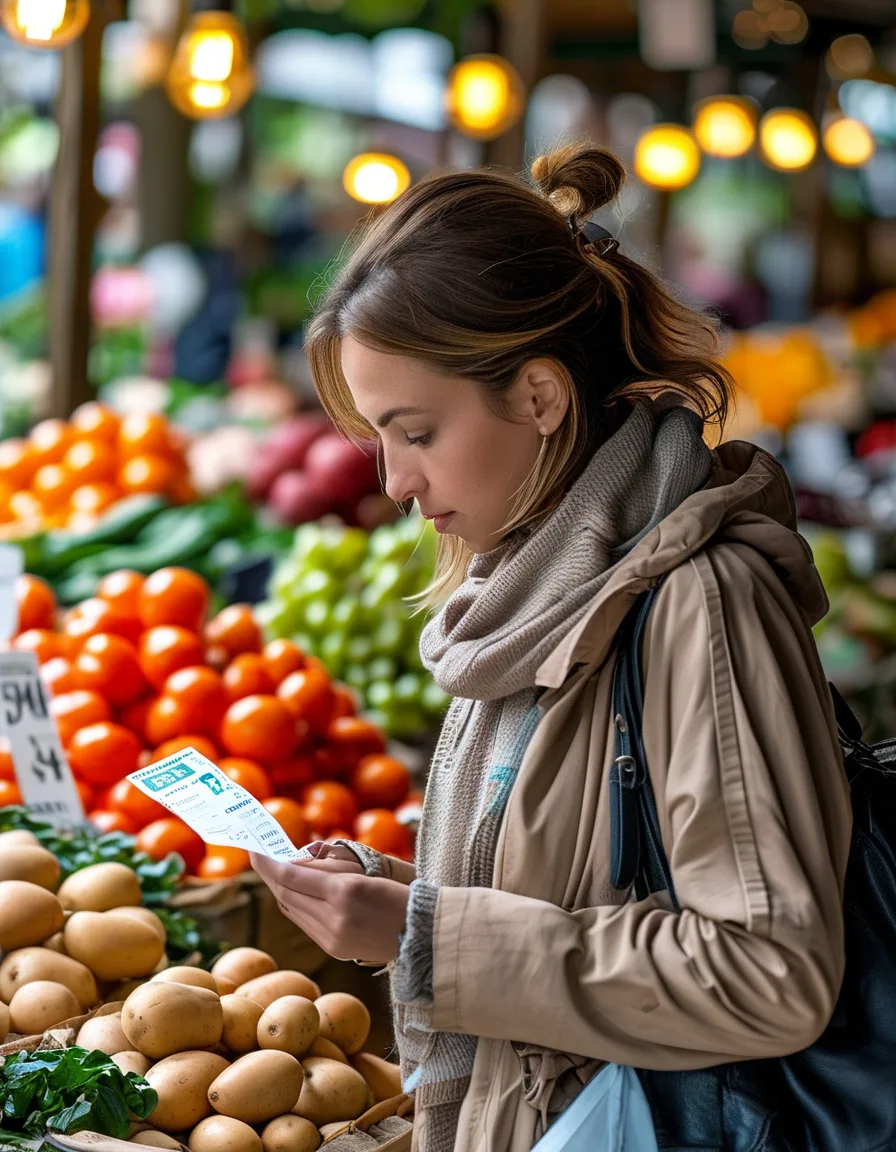
Why the Pricier Assumption Is Only Sometimes Accurate
The nuance behind the general impression: the the-comparison-depends-heavily-on-which-specific-items-are-being-compared-not-a-single-overall-verdict (the actual price relationship varying significantly by specific product category, meaning there’s no single accurate overall verdict covering an entire market trip — the the-real-answer-is-category-specific-not-a-single-blanket-comparison), the the-specialty-or-out-of-season-items-at-a-market-tend-to-carry-a-premium-that-drives-the-general-pricier-impression (the specialty, artisanal or out-of-season items — which tend to be the most visually memorable market purchases — often carrying real premium pricing that disproportionately shapes the general pricier reputation — the the-most-memorable-premium-purchases-disproportionately-shape-the-general-price-impression-relative-to-actual-average-cost), the the-peak-season-staple-produce-directly-from-a-grower-can-be-priced-comparably-to-or-cheaper-than-grocery-store-equivalents (the in-season staple produce bought directly from a grower sometimes pricing very competitively, since it skips some of the distribution markup a grocery store’s supply chain adds — the in-season-direct-from-grower-staples-often-skip-a-real-cost-layer-that-grocery-distribution-adds), the the-grocery-store-produce-pricing-itself-varies-a-lot-by-store-type-and-region-making-the-comparison-baseline-inconsistent (the actual grocery store comparison point varying enormously by store type, from discount chains to premium grocers, meaning ‘the grocery store’ isn’t one consistent price baseline either — the the-grocery-store-comparison-point-is-itself-inconsistent-across-different-store-types-which-complicates-any-single-comparison), the the-quality-and-freshness-differences-mean-a-pure-price-comparison-without-any-quality-adjustment-understates-the-actual-value-comparison (the freshness and flavor differences for certain in-season market produce meaning a pure sticker-price comparison alone doesn’t capture the full value picture from the tomato-season-guide-blog logic — the quality-and-freshness-differences-mean-price-alone-isnt-the-complete-comparison), and the reframe (the pricier-market assumption as accurate for some specific categories and inaccurate for others — the real answer requires a category-by-category look rather than one general verdict)).
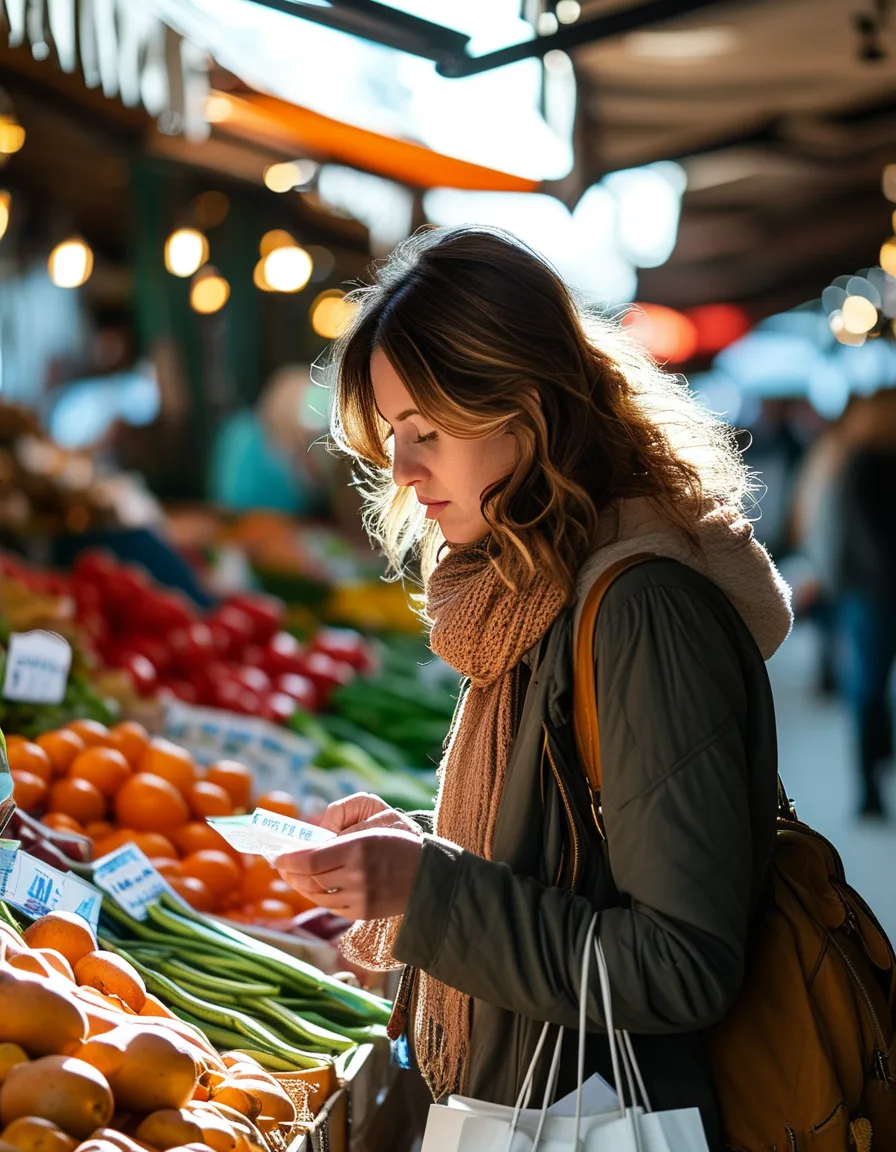
The Specific Categories Where the Market Is Actually Competitive or Cheaper
Where the value case is strongest: the peak-season-staple-vegetables-and-fruits-bought-directly-from-the-grower (the classic in-season staples — tomatoes, corn, stone fruit at their peak — frequently pricing very competitively at market when bought directly, especially compared to out-of-season grocery equivalents from the stone-fruit-season-guide-blog logic — the this-category-is-the-strongest-and-most-consistent-value-case-for-the-market), the the-items-purchased-in-bulk-quantity-directly-from-a-single-grower-often-carry-a-meaningful-bulk-discount (the buying a larger quantity directly from one grower stall frequently unlocking pricing that a small individual grocery-store purchase quantity simply doesn’t offer — the bulk-purchase-directly-from-a-grower-often-unlocks-real-discount-pricing-not-available-for-small-individual-purchases), the the-imperfect-or-slightly-blemished-produce-sold-at-a-discount-by-some-market-vendors-specifically (the some market vendors specifically offering discounted pricing on cosmetically imperfect but perfectly usable produce, an option not always available at a typical grocery store — the cosmetically-imperfect-produce-discounts-are-a-market-specific-value-opportunity-not-always-available-elsewhere), the the-end-of-market-day-pricing-when-vendors-discount-remaining-perishable-inventory (the specific timing near market closing often producing real discounts as vendors prefer to sell remaining perishable stock rather than transport it back — the end-of-day-timing-specifically-creates-a-real-and-predictable-discount-opportunity), the the-items-that-are-locally-abundant-in-a-specific-region-and-season-often-undercut-grocery-pricing-for-the-same-item-shipped-from-farther-away (the a genuinely regionally abundant item in season frequently pricing below a grocery equivalent that had to be shipped in from a distant growing region — the regional-abundance-specifically-can-make-a-local-item-genuinely-cheaper-than-a-shipped-in-grocery-equivalent), and the frame (the strongest value categories as peak-season staples bought directly from growers, bulk purchases, discounted imperfect produce, end-of-day discounted pricing, and regionally abundant seasonal items — specific, identifiable situations where the market genuinely competes on price, not just on freshness or experience).
How to Shop Strategically to Get the Best Real Value
The practical shopping strategy: the shop-with-a-general-sense-of-whats-in-peak-season-locally-before-going (the having a rough sense of current peak-season produce for your specific region before shopping, to prioritize the categories most likely to offer real value that day from the market-budget-strategy-blog logic — the knowing-whats-actually-in-peak-season-locally-before-you-go-focuses-shopping-toward-the-best-value-categories), the the-arrive-near-closing-time-specifically-for-the-discount-opportunity-if-flexibility-and-a-shorter-selection-window-are-acceptable-tradeoffs (the deliberately timing a visit near the end of the market specifically to access the discount pricing that develops then, accepting somewhat reduced selection as the tradeoff — the timing-near-closing-specifically-trades-some-selection-for-real-discount-pricing-opportunity), the the-ask-vendors-directly-about-bulk-pricing-rather-than-assuming-only-the-displayed-per-unit-price-applies (the simply asking a specific vendor whether a bulk-quantity discount is available, since it’s often not automatically displayed or offered without being asked — the directly-asking-about-bulk-pricing-often-unlocks-a-discount-that-wasnt-otherwise-visibly-offered), the the-compare-actual-per-unit-price-against-a-recent-grocery-receipt-for-the-same-specific-item-rather-than-a-general-impression (the doing a real specific comparison against an actual recent grocery purchase of the same item, rather than relying on a vague general sense of market pricing — the a-real-specific-item-comparison-against-an-actual-recent-receipt-beats-a-vague-general-price-impression), the the-prioritize-market-shopping-specifically-for-the-highest-value-categories-and-use-the-grocery-store-for-everything-else (the deliberately splitting shopping between the market for its strongest value categories and the grocery store for items that don’t offer the same relative advantage, rather than treating it as an all-or-nothing choice — the splitting-shopping-strategically-between-both-venues-based-on-category-specific-value-beats-an-all-or-nothing-approach), and the frame (the practical strategy as knowing local peak season before shopping, timing a visit near closing for discount opportunities when acceptable, directly asking about bulk pricing, doing real specific item comparisons against actual recent receipts, and strategically splitting shopping between market and grocery store by category — getting the genuine value the market offers in specific categories, without assuming it’s uniformly pricier or uniformly cheaper across everything).
Whether the farmers market is actually more expensive depends heavily on the specific item being compared rather than any single overall verdict, since specialty and out-of-season items tend to carry a real premium that disproportionately shapes the market’s general pricier reputation, while peak-season staple produce bought directly from a grower often skips distribution markup that a grocery store’s supply chain adds and can price very competitively. The strongest value categories are peak-season staples bought directly from growers, bulk purchases directly from a single vendor, cosmetically imperfect produce some vendors discount specifically, end-of-market-day discounted perishable inventory, and items that are genuinely abundant in your specific region and season. Shop strategically by knowing what’s actually in local peak season before going, timing a visit near closing if the discount opportunity is worth a smaller selection, directly asking vendors about bulk pricing rather than assuming it’s automatically offered, comparing real specific items against an actual recent grocery receipt rather than a general impression, and splitting shopping deliberately between the market for its strongest categories and the grocery store for everything else.
Keep Reading
This article is for general informational purposes only and is not medical advice. Always consult a qualified health professional for guidance specific to you.