Your Farmers Market Payment and Budget Questions, Answered
Quick Answer: Most farmers markets today accept cards through mobile readers at individual stalls, but cash remains faster for small purchases and is still the only option at some smaller vendors, so carrying a mix of both is the most reliable approach for a stress-free shopping trip.
Money logistics are one of the most common points of friction for first-time market shoppers, and most of it is avoidable with a little planning.
Do most farmers market vendors actually accept cards now?
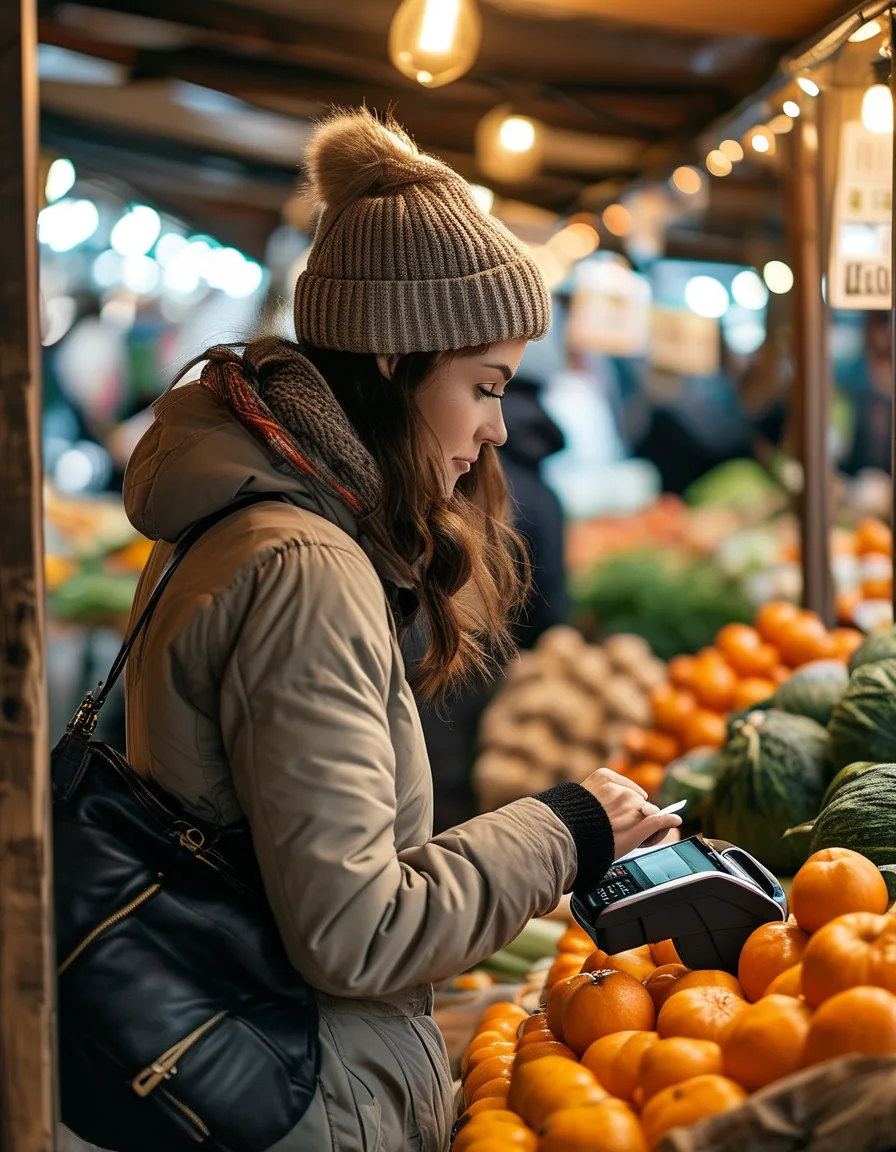
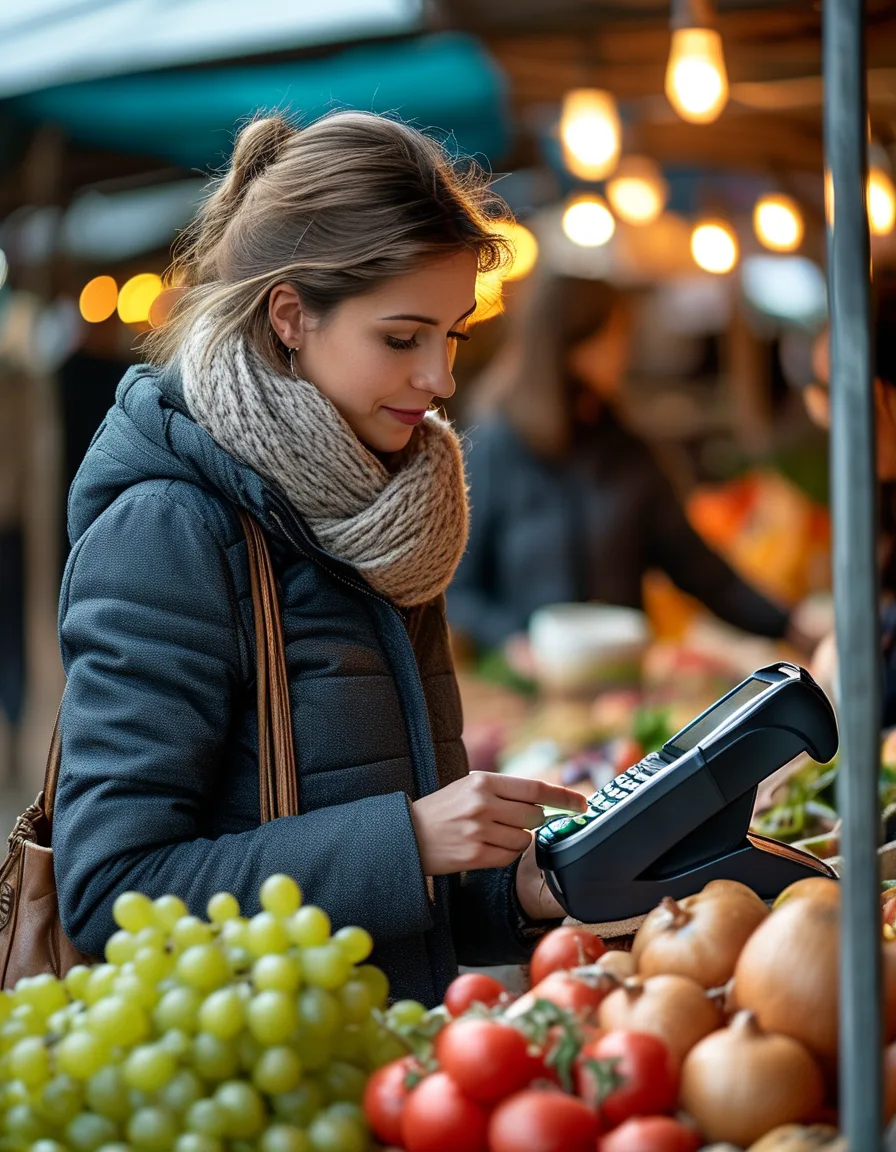
The majority of vendors at established markets now use mobile card readers, a shift that’s accelerated significantly over the past several years, but coverage isn’t universal — smaller or newer vendors, and some cash-only markets in general, still may not have card capability.
Checking the specific market’s website or social media before you go is worth the two minutes it takes, since many markets now list which vendors are cash-only directly for shopper convenience.
How much cash should you actually bring if some vendors are cash-only?
A reasonable default is $20-40 in smaller bills and coins, since most individual farmers market purchases (a bunch of herbs, a pint of berries) run $3-8, and vendors at busy markets often run short on change for large bills early in the day.
Bringing exact or close-to-exact change for smaller purchases specifically speeds up the transaction for both you and the vendor, which matters more at a busy Saturday market than it might seem.
What’s the most effective way to actually stick to a farmers market budget?
Setting a specific dollar amount before you go, and doing one full walk-through of the market before buying anything, prevents the common pattern of overspending on the first appealing stall only to see better prices or options further along.
Buying only what you have a concrete plan to cook that week, rather than ‘inspiration’ purchases, is the single habit most likely to keep both spending and food waste under control.
Is farmers market produce actually more expensive than grocery store produce?
It varies significantly by item and season — in-season, locally abundant produce is frequently priced comparably to or even below grocery store prices, while out-of-season or specialty items at a farmers market often cost more than their grocery store equivalent.
The price comparison genuinely favors the farmers market most reliably for peak-season staples specifically, which is a strong argument for shopping seasonally rather than assuming either venue is categorically cheaper.
Do vendors expect or welcome haggling on price?
Generally no for posted prices on fresh produce, which reflect the vendor’s actual costs and are usually firm — but asking about a discount for buying in bulk (a full flat of berries, a large bag of a single vegetable) is a normal and often successful request near closing time specifically.
End-of-market discounts on perishables vendors don’t want to transport back are common and a legitimate way to save, distinct from haggling on a normal-sized single purchase.
What Nobody Tells You About Card Reader Fees
Some smaller vendors pass along a small card processing fee (often 2-3%) as a separate line item or a minimum card purchase amount, which isn’t universal but is worth watching for if you’re paying by card for a very small purchase.
This is one more reason cash remains genuinely useful for small individual purchases even at markets where cards are widely accepted, since it avoids that fee entirely on lower-cost items.
FAQ: Farmers Market Payment, Answered
Can I use SNAP/EBT benefits at farmers markets?
Many markets participate in SNAP and often offer matching programs that stretch benefits further specifically at the market — check the specific market’s program details, since participation and matching amounts vary by location.
Is it rude to ask a vendor if they take cards before ordering?
Not at all — it’s a completely normal, expected question, and vendors would rather you ask upfront than start an order you can’t complete.
Should I tip farmers market vendors?
Tipping isn’t standard practice or expected at most farmers markets, though some card readers now default to prompting for one, which you’re free to skip without any awkwardness.
TL;DR:
- Most vendors now accept cards, but bring $20-40 cash as backup for smaller or cash-only stalls
- Do a full walk-through before buying to avoid overspending at the first appealing stall
- In-season produce is often comparably priced or cheaper than grocery stores; out-of-season items usually aren’t
- Ask about bulk discounts near closing time rather than haggling on a normal single purchase
Keep Reading
This article is for general informational purposes only and is not medical advice. Always consult a qualified health professional for guidance specific to you.