Is It Actually Okay to Haggle at a Farmers Market? Here's the Real Etiquette
Quick Answer: Direct haggling over marked prices is generally considered poor etiquette at a farmers market, since the seller is frequently the grower themselves and the price reflects their actual production cost and labor rather than a markup built for negotiation — but asking about a bulk discount for a larger purchase, or inquiring near closing time about produce that won’t keep until the next market day, are both widely accepted and often welcomed by vendors.
The distinction is negotiating a marked single-item price versus asking about legitimate, commonly offered discount scenarios.
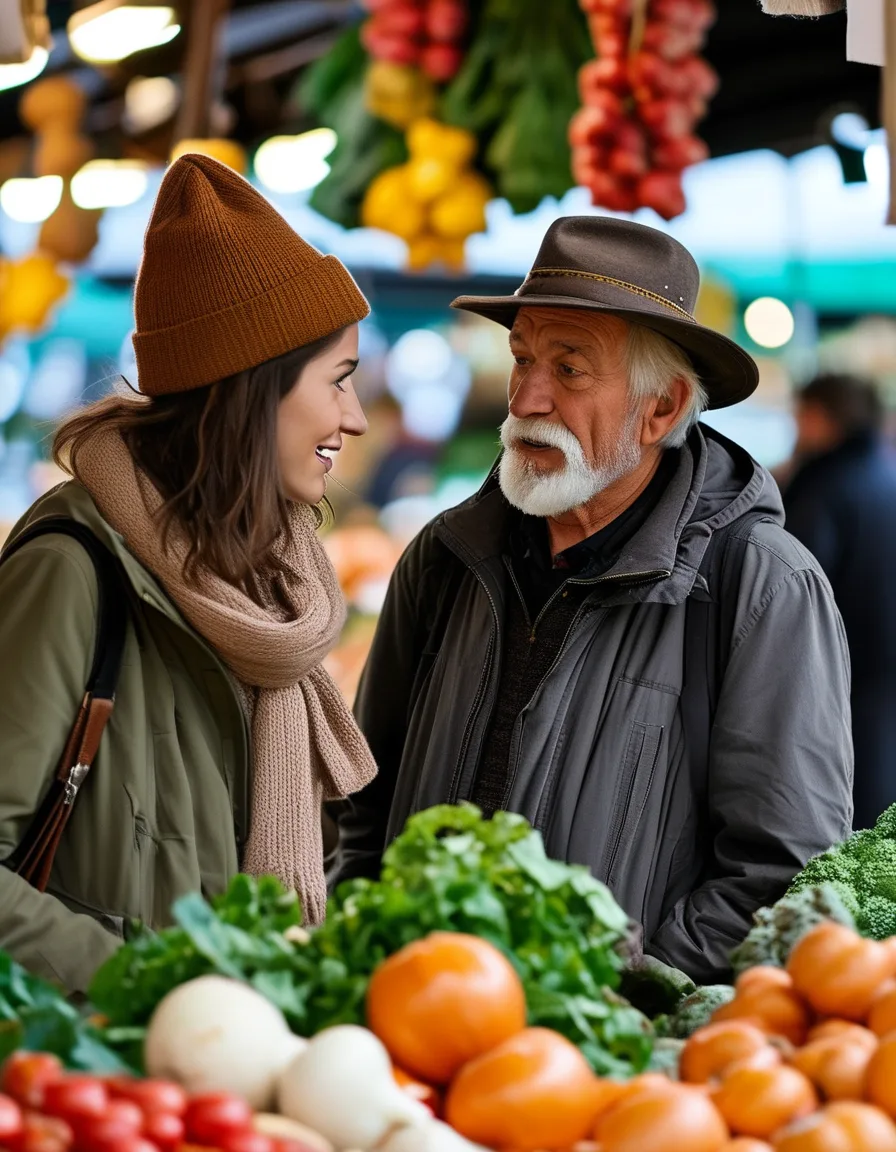
Why is haggling considered less appropriate here than at a flea market or overseas market?
A farmers market vendor, especially a small grower, has typically priced produce close to their actual cost of production and labor, without the built-in markup-for-negotiation that some retail and flea market pricing includes, meaning a haggled-down price often comes directly out of a small farm’s already thin margin.
This is the core reason many market communities consider direct price haggling on marked goods poor etiquette here specifically, even where it might be culturally normal in other market settings.
What are the specific situations where asking about a lower price is actually welcomed?
Asking about a bulk discount when buying a large quantity of one item, and asking near the end of the market day about perishable produce that won’t keep until the vendor’s next selling day, are both commonly accepted and often proactively offered by vendors themselves, since both situations genuinely help the vendor (moving volume, avoiding waste) rather than just lowering their margin for the buyer’s benefit alone.
This is different from haggling over the marked price of a small, non-perishable, or already-priced-low item, which is where the etiquette line is generally drawn.
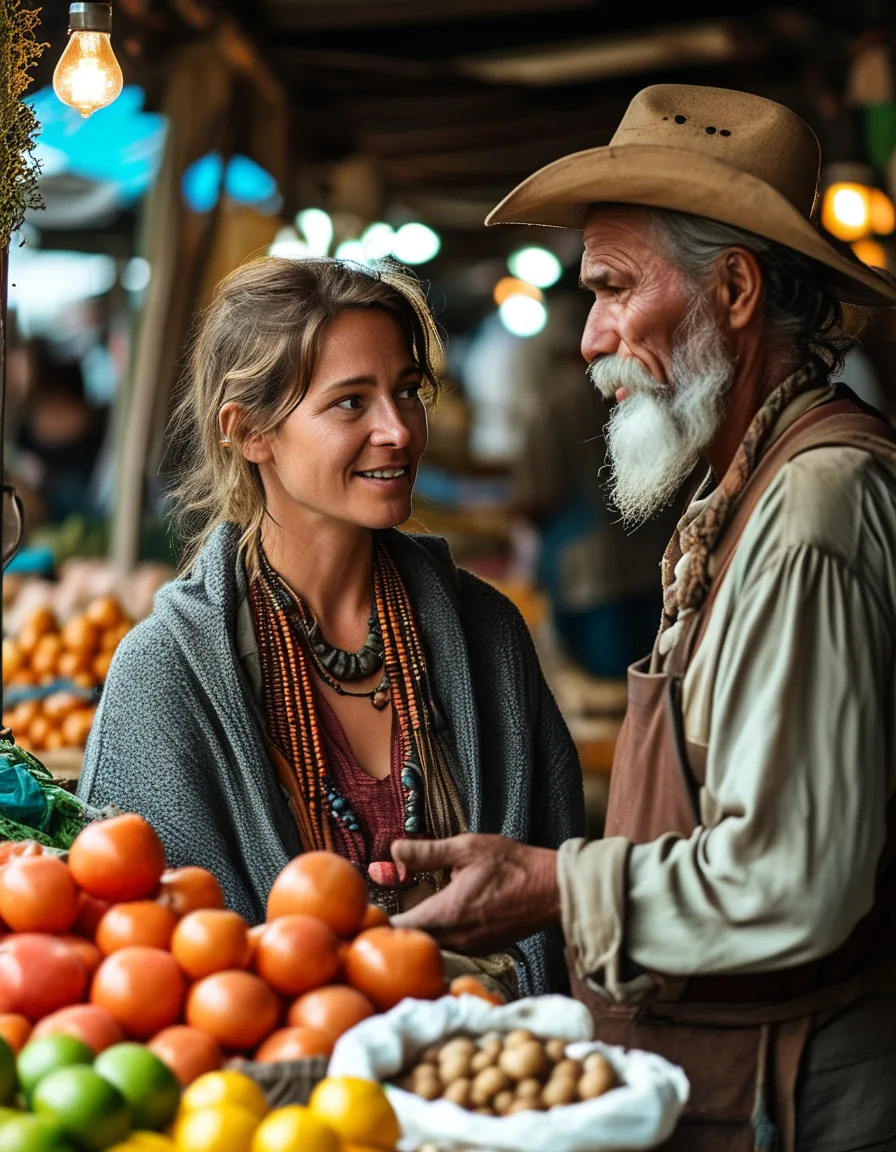
5 Mistakes People Make Around Farmers Market Pricing
Mistake 1: Directly haggling over a small purchase’s marked price, which is the most commonly cited etiquette breach.
Mistake 2: Comparing the vendor’s price loudly to a grocery store price, which can come across as dismissive of the quality and labor difference.
Mistake 3: Not asking about bulk discounts when actually buying in volume, missing a legitimately available option.
Mistake 4: Assuming all vendors have the same end-of-day discount policy.
Mistake 5: Negotiating aggressively rather than simply asking politely once and accepting the answer.
Does asking politely about a discount ever backfire, even in the ‘acceptable’ scenarios?
Rarely, as long as the ask is framed as a genuine question rather than an assumption or demand — most vendors respond well to ‘is there a discount for buying this much’ or ‘are you doing anything special on this since it’s getting late,’ since both frame the request around the vendor’s own interest, not just the buyer’s savings.
A vendor who says no to either request is simply indicating it’s not something they offer that day, which is a normal, low-friction outcome rather than an etiquette failure on the buyer’s part.
FAQ: Farmers Market Haggling Questions, Answered
Is it rude to ask a vendor why their price is higher than a grocery store’s?
It can come across poorly if framed as a complaint; a genuinely curious question about their growing practices is usually well received and often leads to an interesting conversation instead.
Do most vendors expect some negotiation as part of the normal transaction?
No — unlike some other market cultures, most farmers market vendors set their price as final rather than as an opening offer expecting negotiation.
Is it acceptable to ask for a sample before buying?
Yes, generally — most vendors expect and welcome sample requests for items like fruit, which is a different and widely accepted market interaction from price haggling.
TL;DR:
- Direct haggling on marked prices is generally poor etiquette since prices reflect actual production cost
- Bulk discount requests and end-of-day perishable discounts are both widely accepted and often offered
- Framing any price question as a polite ask, not a demand, keeps the interaction low-friction
- Sample requests are a separate, normal market interaction distinct from price negotiation
Knowing which specific ask is welcomed avoids the awkwardness of assuming farmers market pricing works like a flea market.
Keep Reading
This article is for general informational purposes only and is not medical advice. Always consult a qualified health professional for guidance specific to you.